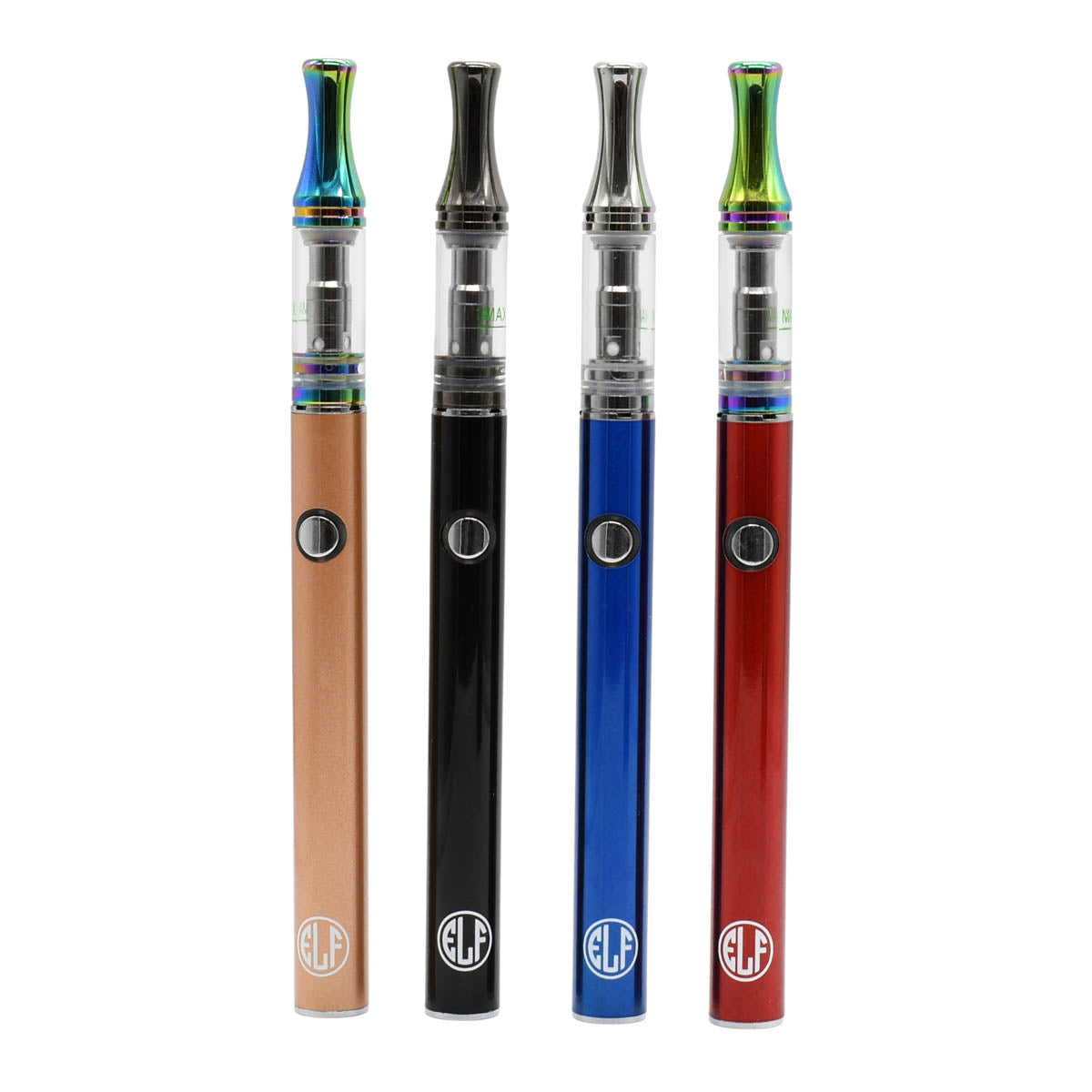
Which 510 thread vape pen is right for your specific cartridges? Choosing a battery isn’t just about finding something that looks good in your hand, but finding the specific voltage and connection type that matches the oil you intend to use. Most people realize too late that a high-voltage setting on a cheap battery can burn through a premium distillate cartridge in a single afternoon, ruining the flavor and wasting your money.
The 510 connection has become the industry standard because of its simplicity. It is a threaded mechanism where the cartridge screws directly onto a single center pin. This design makes it highly compatible with almost any pre-filled CBD or THC product on the market. Because of this universality, you need to pay attention to the specific features of the battery itself to ensure it actually works with your specific hardware.
If you are looking for the best 510-thread batteries for carts, you will find that the market has shifted toward digital displays and precision control. The days of simple “on/off” button batteries are fading. Modern users want to know exactly what voltage they are running because a 2.8V setting might be perfect for a delicate terpene profile, while 3.7V might be necessary for thicker, heavier oils.
A common mistake is assuming all 510 pens are created equal. You might find a sleek, pen-style battery that looks great but lacks a preheat function. If you live in a colder climate or use thick live resin, that lack of a preheat setting will leave you frustrated when your cartridge won’t hit. You need a device that can warm up the oil before you take a full draw.
Decoding Voltage Settings and Thermal Control
Voltage is the most important variable in your vaping experience. Think of it like the temperature on a stove; too low and you get nothing, too high and you scorch the food. For most 510 thread vapes, you want to be able to toggle between at least three, but ideally five, different voltage levels. This allows you to switch from a flavor-focused session to a potency-focused session without buying new hardware.
Lower voltages, typically between 2.2V and 3.0V, are ideal for live resins and high-terpene extracts. These oils are sensitive to heat. If you crank the voltage too high, you’ll taste burnt cotton instead of the actual plant profile. This is where the Neo model shines, as it offers five variable voltage settings to give you that granular control over your hits. It’s a practical way to preserve the integrity of expensive concentrates.
Higher voltages, ranging from 3.2V to 4.2V, are generally reserved for thicker distillates. These oils have a higher viscosity and require more heat to vaporize effectively. If you find yourself struggling to get a cloud or a hit, your voltage is likely too low for the density of that specific oil. It’s a balancing act that requires a bit of trial and error during your first few uses of a new cartridge.
The Cartisan Pro Pen is a recent example of this trend toward precision, featuring a color digital screen that takes the guesswork out of the equation. Instead of clicking a button and hoping you’re at the right setting, you see exactly what you’re getting. This level of visibility makes it much easier to maintain consistent hits throughout the day without accidentally burning through your battery or your oil.
Precision matters because heat management is the difference between a premium experience and a wasted cartridge. When you use a device that allows you to control the temperature, you are effectively extending the life of your consumables. You aren’t just vaping; you’re managing a chemical process that is highly sensitive to thermal input.
Comparing Hardware Form Factors and Charging Standards
When shopping, you will encounter three main styles of 510 batteries: the classic pen, the box mod, and the compact pod style. Each serves a different lifestyle need. The classic pen is discreet and easy to carry in a pocket, while the box mod style often offers more features like larger screens and better battery life. Choosing between them depends on whether you prioritize portability or performance.
The charging method has also changed significantly in the last few years. Older devices often used micro-USB, which is becoming obsolete. Most modern, high-quality pens now utilize USB-C charging, which is faster and more reliable. This is a small detail that makes a massive difference when you are out and realize your battery is dead and you don’t have the right cable in your bag.
If you are looking for specific hardware options, consider these common categories:
- Pen-style batteries: Slim, discreet, and great for travel or discreet use.
- Box mods: Larger, more stable, and usually equipped with digital displays.
- Buttonless pens: Rely on draw-activation, which is great for simplicity but offers less control.
- Variable voltage pens: Allow for manual temperature adjustments for different oil types.
Price points vary wildly depending on these features. You can find basic, entry-level batteries starting as low as $10, which is fine if you just need something for a single cartridge. However, as you move toward brands that offer lifetime warranties or advanced digital displays, you might spend closer to $50. You are paying for the reliability of the connection and the accuracy of the voltage output.
It is worth noting that a cheap battery with a loose 510 connection can be a nightmare. If the connection isn’t tight, you will experience intermittent firing, which can lead to “hot spots” on your cartridge. This uneven heating can cause the oil to leak from the bottom of the cartridge, creating a mess and ruining your pen. Always check that the threading feels snug and secure when you screw your cartridge on.
Reliability is the metric that matters most. You can find a wide variety of options at Element Vape where they stock different types of 510 batteries, including buttonless and variable voltage models. Having a variety to choose from is helpful when you’re trying to match a specific battery to a specific brand of cartridge that might have unique requirements.
The Role of Preheat and Battery Longevity
Preheat functionality is a feature that is often overlooked until it is absolutely necessary. A preheat function uses a low, controlled burst of heat to warm up the oil inside the cartridge before you take your actual hit. This is incredibly useful if your cartridge has been sitting in a cool environment, like a car or a cold room, which makes the oil thicker and harder to vaporize.
Without preheat, you might find yourself taking a long, struggling pull that does nothing but clog the airway. The preheat function solves this by lowering the viscosity of the oil without actually vaporizing it. It’s a subtle but essential tool for anyone who uses high-viscosity concentrates or live resins. It saves your lungs from the strain of trying to pull through a cold, thick sludge.
Battery life is another major factor in your long-term satisfaction. Some pens are designed for quick, “on-the-go” use, while others are built to be your primary device. If you are a heavy user, you will want a device with a larger capacity or one that supports fast charging. A battery that takes four hours to charge is a significant inconvenience if you are someone who vapes frequently throughout the day.
It’s also important to consider how the battery handles its own discharge. Cheap lithium-ion cells can sometimes lose their ability to hold a steady voltage as they age, meaning your 3.0V setting might actually be outputting 2.5V by the time the battery is at 50% charge. Higher-end manufacturers tend to use better-quality cells that maintain a consistent voltage discharge, which is vital for the consistency of your hits.
A concrete example of this is the difference between a standard $15 pen and a $40 device with a dedicated USB-C port and a high-capacity cell. The $15 pen might work fine for a week, but the $40 device will likely remain your primary choice because it doesn’t leave you stranded with a dead battery halfway through the day. It’s an investment in convenience that pays off in the long run.
Maintenance and Troubleshooting Common Issues
Maintaining a clean connection is the most effective way to extend the life of your hardware. Over time, tiny amounts of oil can leak from the cartridge and get into the 510 threading. This oil is conductive and can cause the battery to fire when it shouldn’t, or it can prevent the connection from making contact entirely. A simple Q-tip dipped in a tiny bit of isopropyl alcohol can fix most connection issues.
If your pen starts acting up, check the connection first. If you see any residue on the center pin or the bottom of the cartridge, clean it immediately. Often, a device that seems “broken” is actually just dirty. It is a simple fix that saves you from buying a replacement battery that you don’t actually need.
When choosing your next setup, remember that the goal is compatibility and control. You want a battery that matches your lifestyle and your specific cartridges. Whether you are looking for something discreet and cheap or a high-tech digital device, the 510 thread standard gives you plenty of options to choose from. You can find many of these options at Vape Batt, which offers various 510 thread vape pens with USB-C charging and variable voltage control.
Don’t forget to check for warranty coverage when purchasing more expensive models. Some brands offer lifetime warranties on their battery components, which is a massive advantage if you’re someone who tends to be hard on your gear. A battery is a mechanical device, and things can go wrong, so having that safety net is worth the extra few dollars upfront.
If your cartridge is leaking, it might not be the cartridge’s fault. It could be that your battery is outputting too much voltage, causing the oil to heat up and expand out of the bottom. If you notice leaking, turn the voltage down immediately and see if the issue persists. It’s a simple adjustment that can save your equipment.
Keep your 510 connection clean with a Q-tip and a small amount of isopropyl alcohol once a week to prevent leaking and connection failures.